
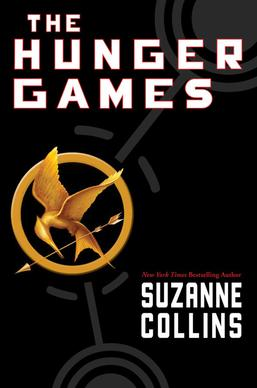
Note: this is the third and final companion post to my upcoming podcast episode about children’s sci-fi. I should also note that these results are based specifically on Amazon listings, and I don’t know if they are truly reflective of the industry as a whole. See the first post and second post for background on this one.
The children’s literature market is divided into several smaller markets based on the age of the target audience, and science fiction books are no exception. These audiences already overlap in age (such as 6-10 and 8-12), but if you look at how books are marketed in practice, you see that often, these guidelines are simply not reliable. As I said before, what market a book falls into is just that: marketing, and publishers also have an incentive to market a book broadly rather than narrowly. The result is that if you look at the listings on Amazon (where I researched a fair bit of the upcoming episode), you see a surprising number of books that are listed in the “wrong” category, and it really threw me off for a while. In fact, it was one of several reasons why this episode took so long to make.
I’m writing this post partly so that parents, teachers, and anyone else who is shopping for books for kids can be aware. But mainly, I think the results are really weird and surprising, and I wanted to work out what’s going on. So, let’s get started.
Continue reading


 Science Meets Fiction